6 Things I Wish Every Dog Owner Knew About IVDD (While There's Still Time to Act)
A healthy dog can lose the use of his back legs in one evening. Here's what IVDD really is, the early signs almost every owner explains away, and what people are now doing about it at home.
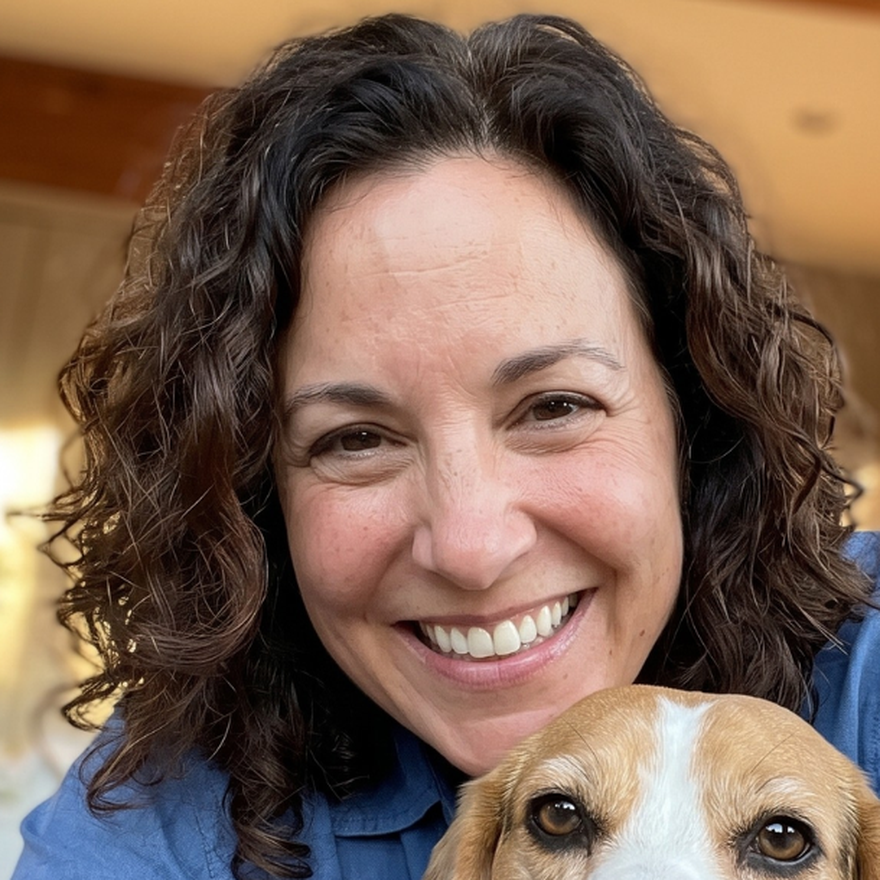

IVDD is a disc in the spine giving way, and it can happen in one evening.
He's fine at breakfast. By bedtime he can't stand. A disc between the vertebrae bulges or ruptures and presses straight into the spinal cord. Pain first, a wobble in the hind end next, and in bad cases nothing at all.
Long backs on short legs get hit hardest: Dachshunds, French Bulldogs, Corgis, Beagles, Pugs. Any breed can end up here though. Almost nobody sees it coming. That's what makes it cruel.
Why long backs give out first
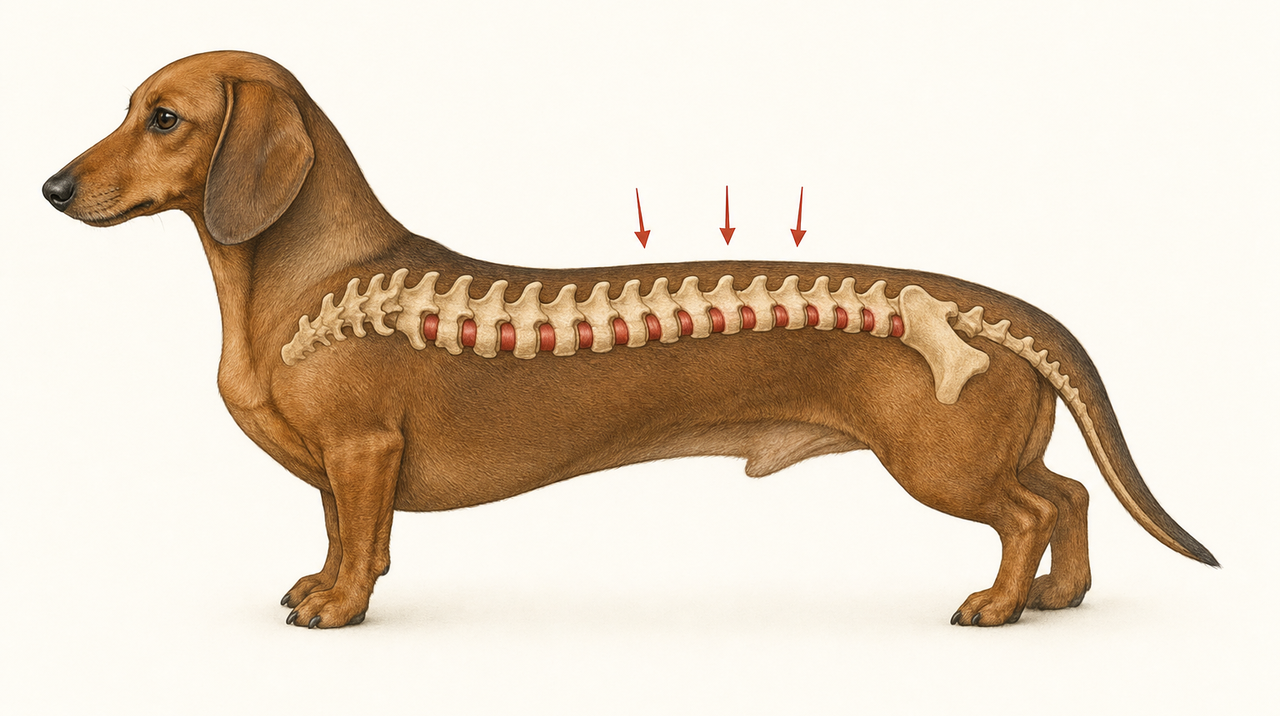
How quickly an ordinary day flips
Your dog has probably been telling you for weeks
A failing back warns you first, and the warnings are small enough to explain away:
 Pausing before the couch jump
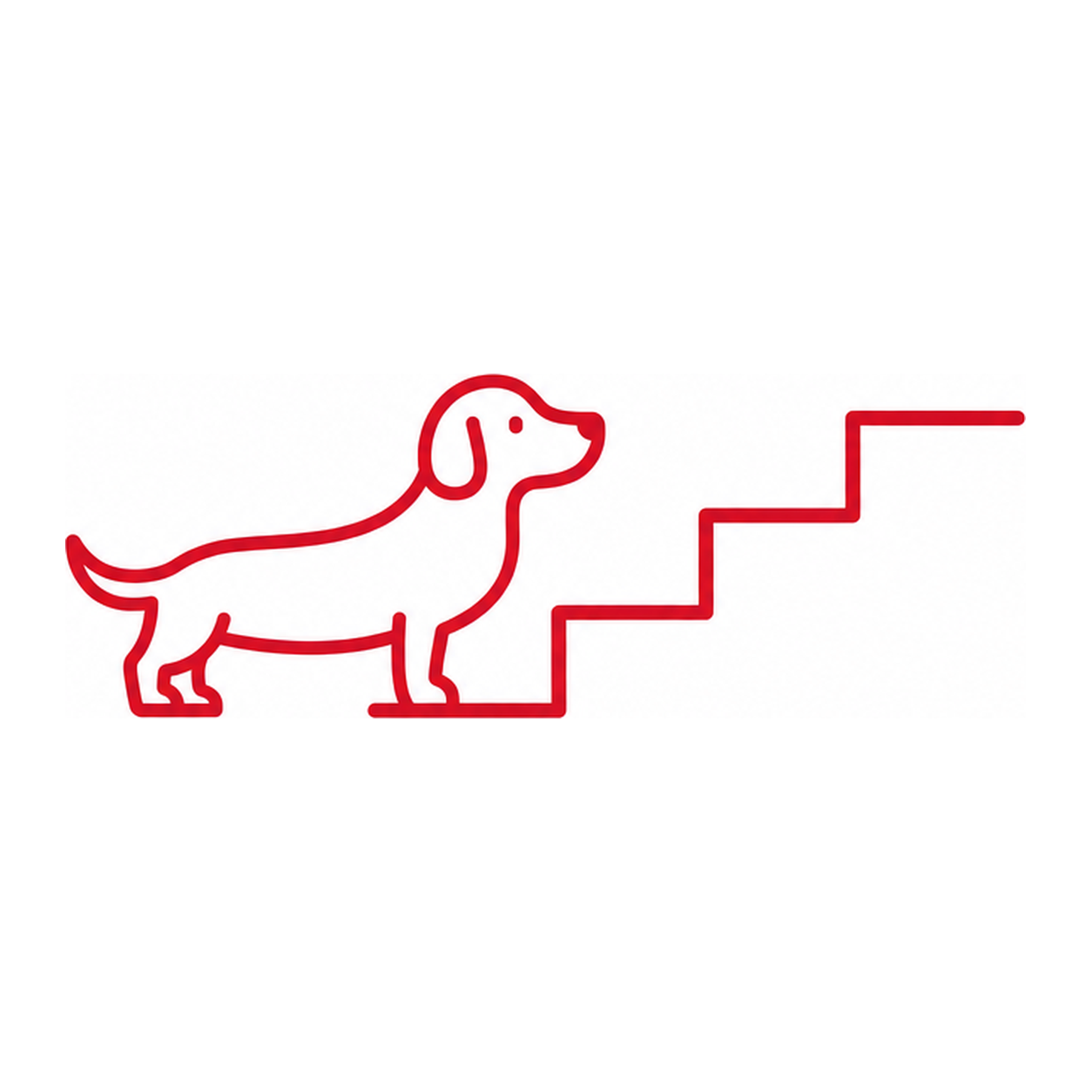 Stalling at the stairs
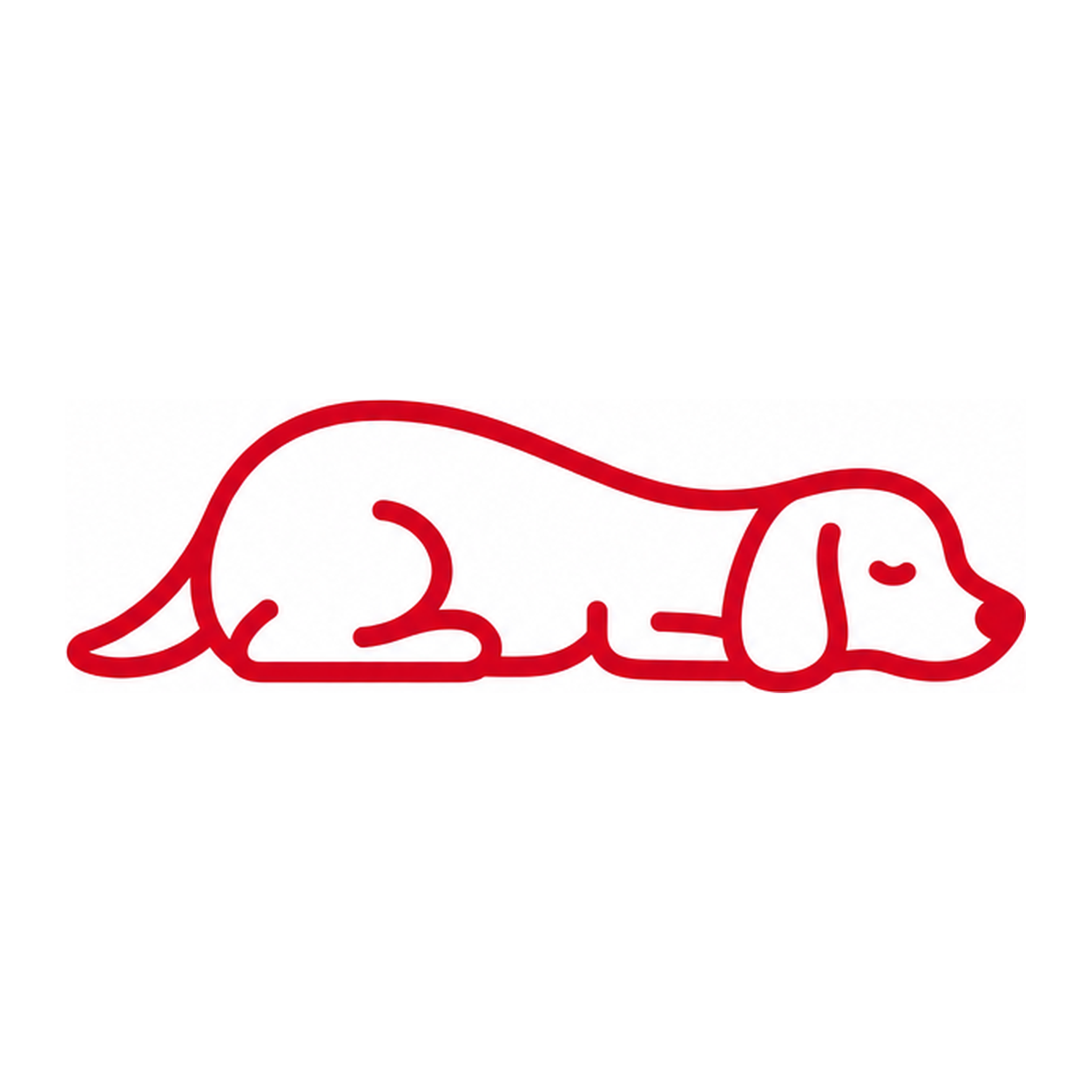 Slow to get up mornings
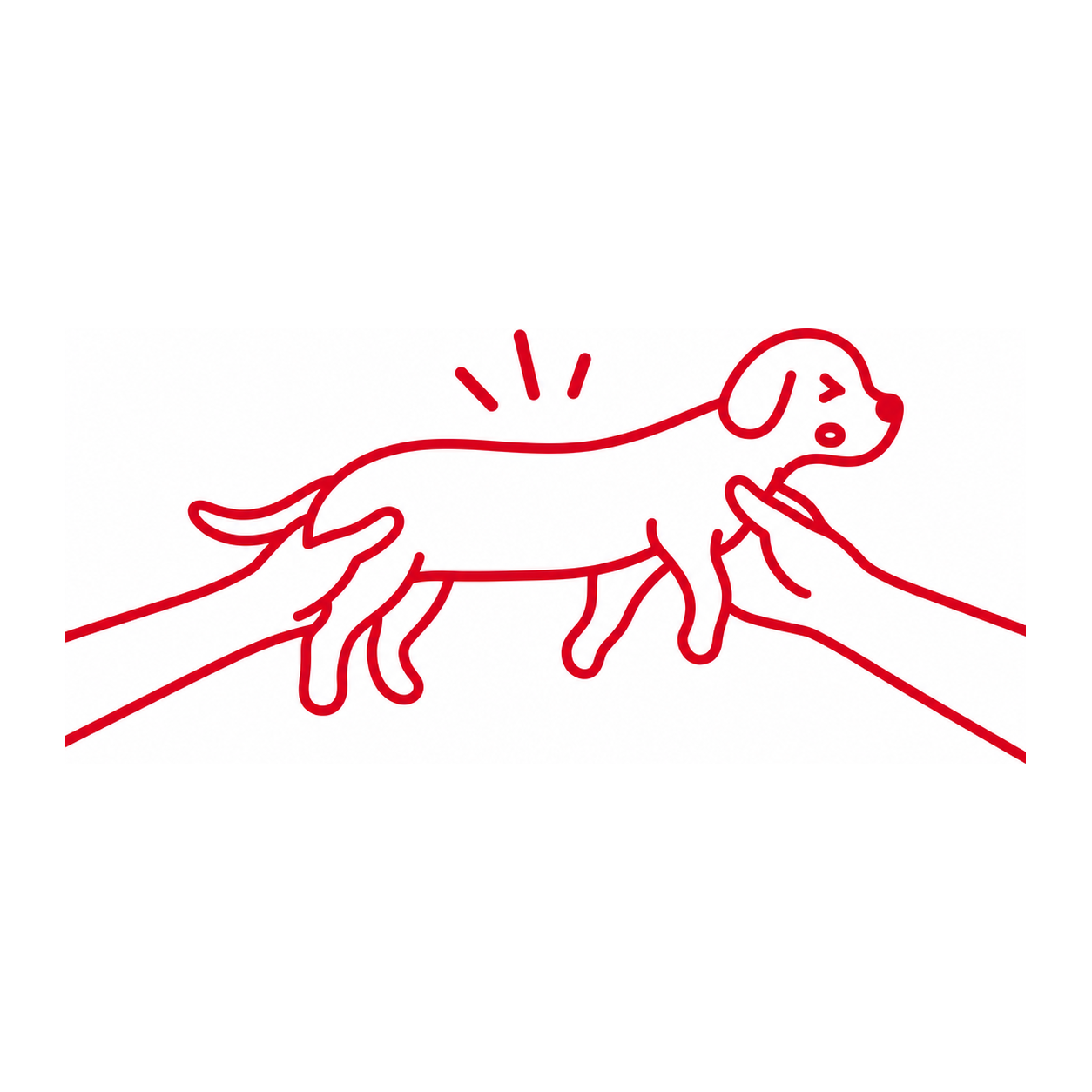 A yelp when lifted
Once a disc blows, you are down to three choices. Nobody likes any of them.
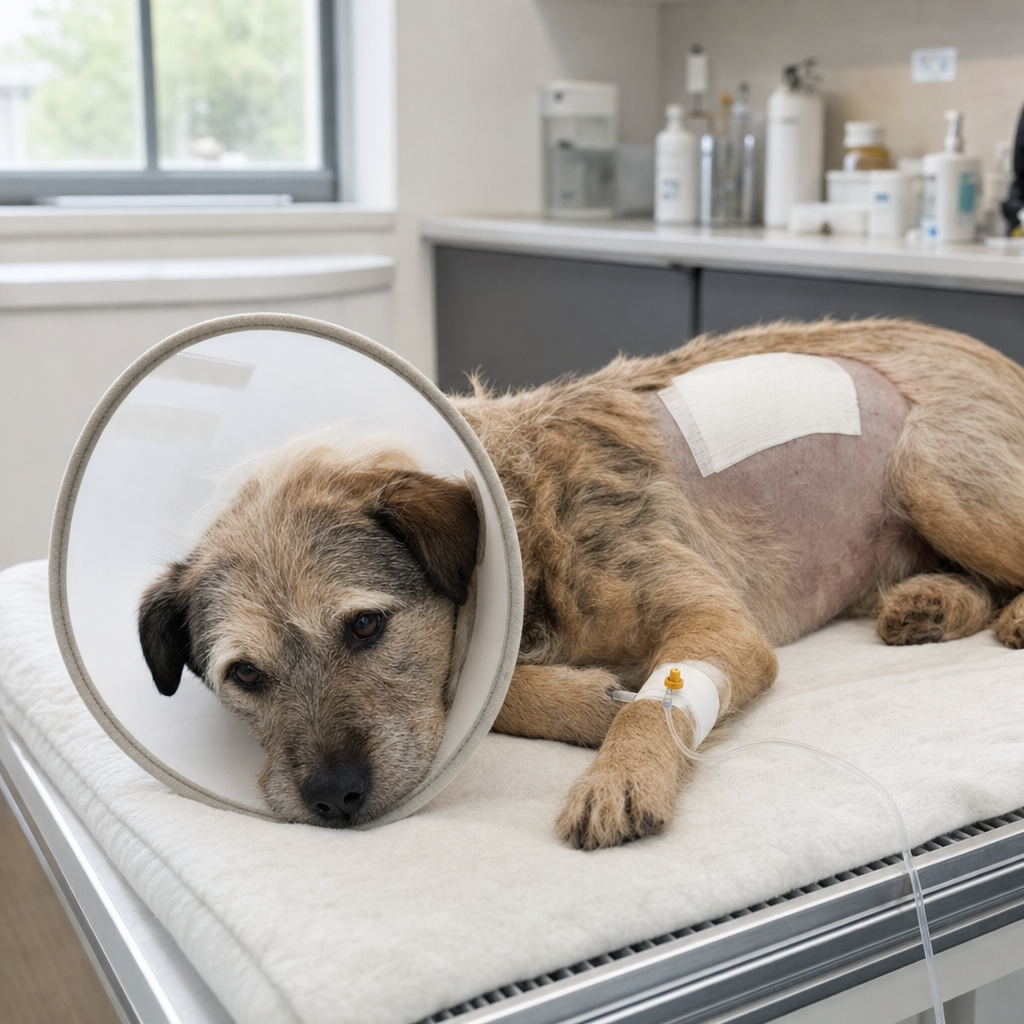
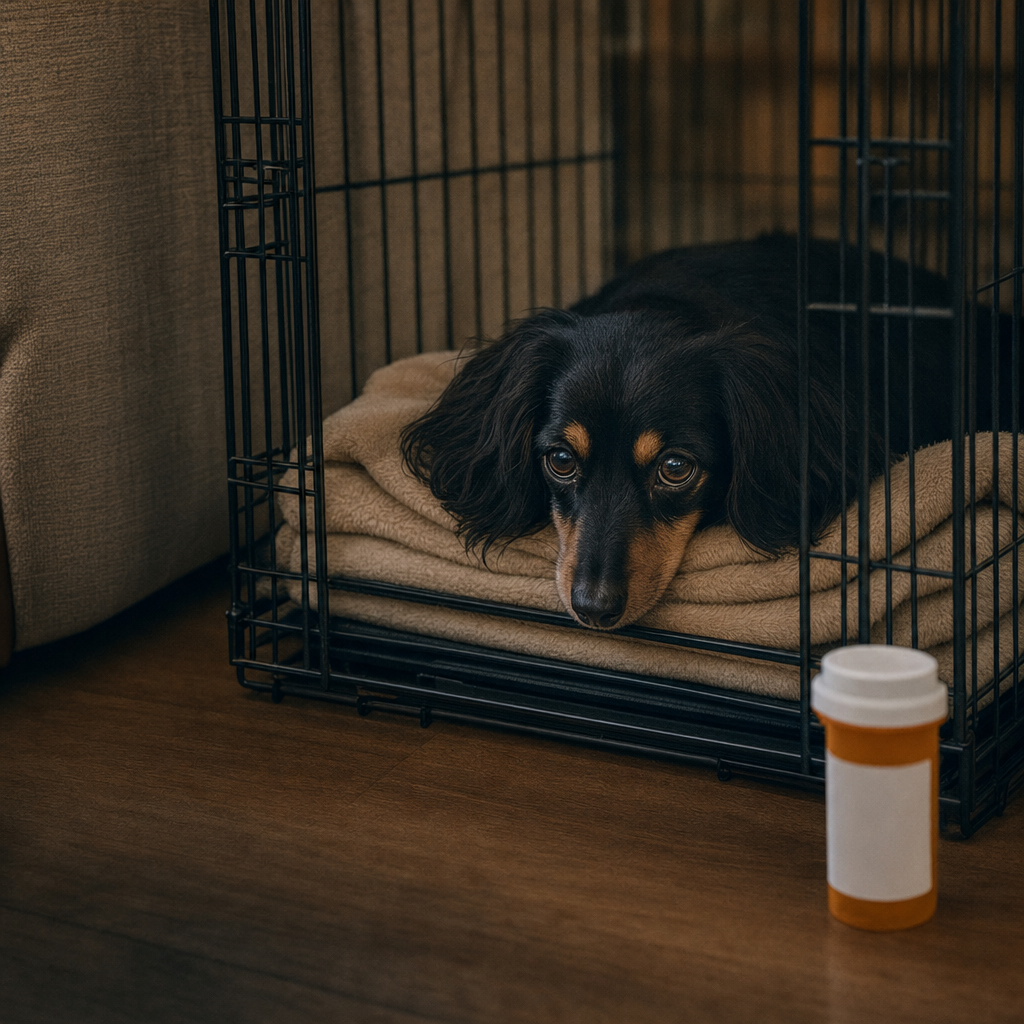
The moment a disc ruptures, every road in front of you is expensive or slow. Surgery runs into the thousands and still might not get your dog walking. Cage rest is six to eight weeks of sitting there feeling useless. Then there is the third road, the one owners never say out loud at the counter.
Which is why the owners I talk to start doing something before anything tears. Ten minutes a night now beats a waiting room later.
Why red light works on IVDD, both before a disc goes and after one already has
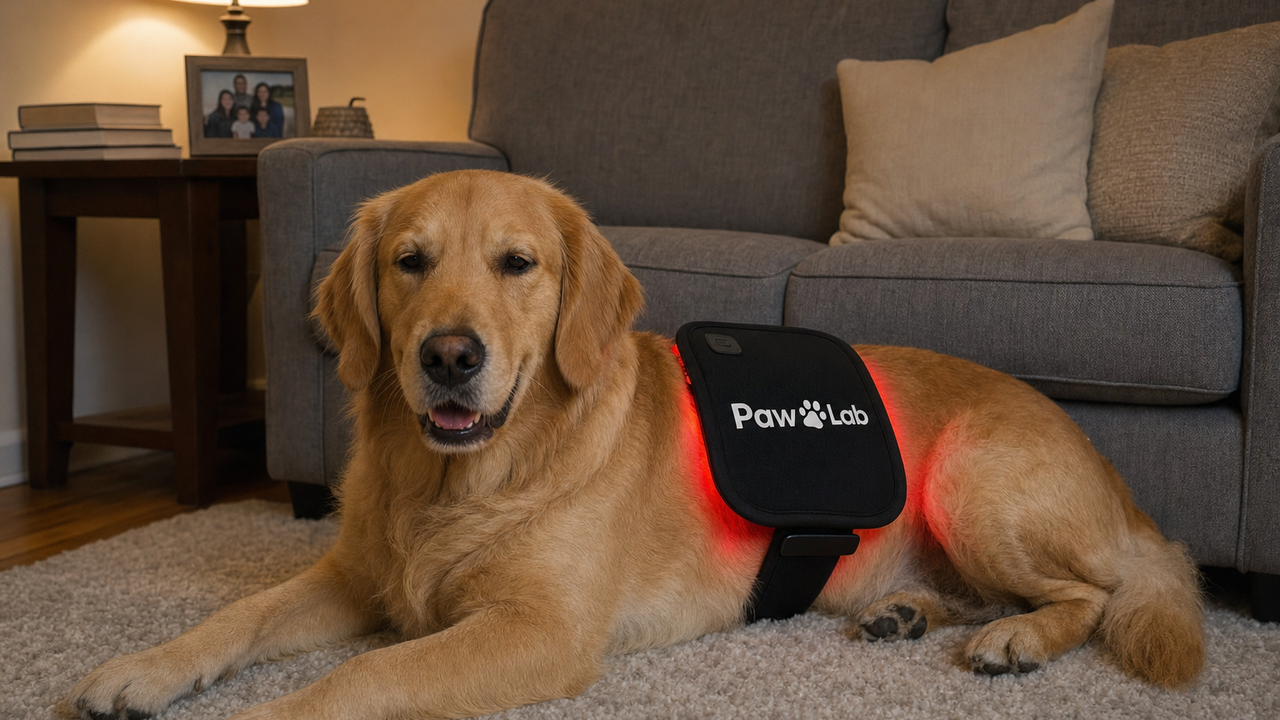
Every cell in your dog runs on a tiny battery. Years of stairs and hard landings drain it. Red and near-infrared light put charge back in, roughly the way a cable does for your phone.
A charged cell goes back to doing its job. Circulation picks up, swelling settles down, and the muscle running along either side of the spine holds its strength.
That muscle is your dog's protective shield. Let it go weak or tight and an ordinary hop off the couch lands on the discs instead. Keep it strong and you are heading the flare-up off rather than treating one.
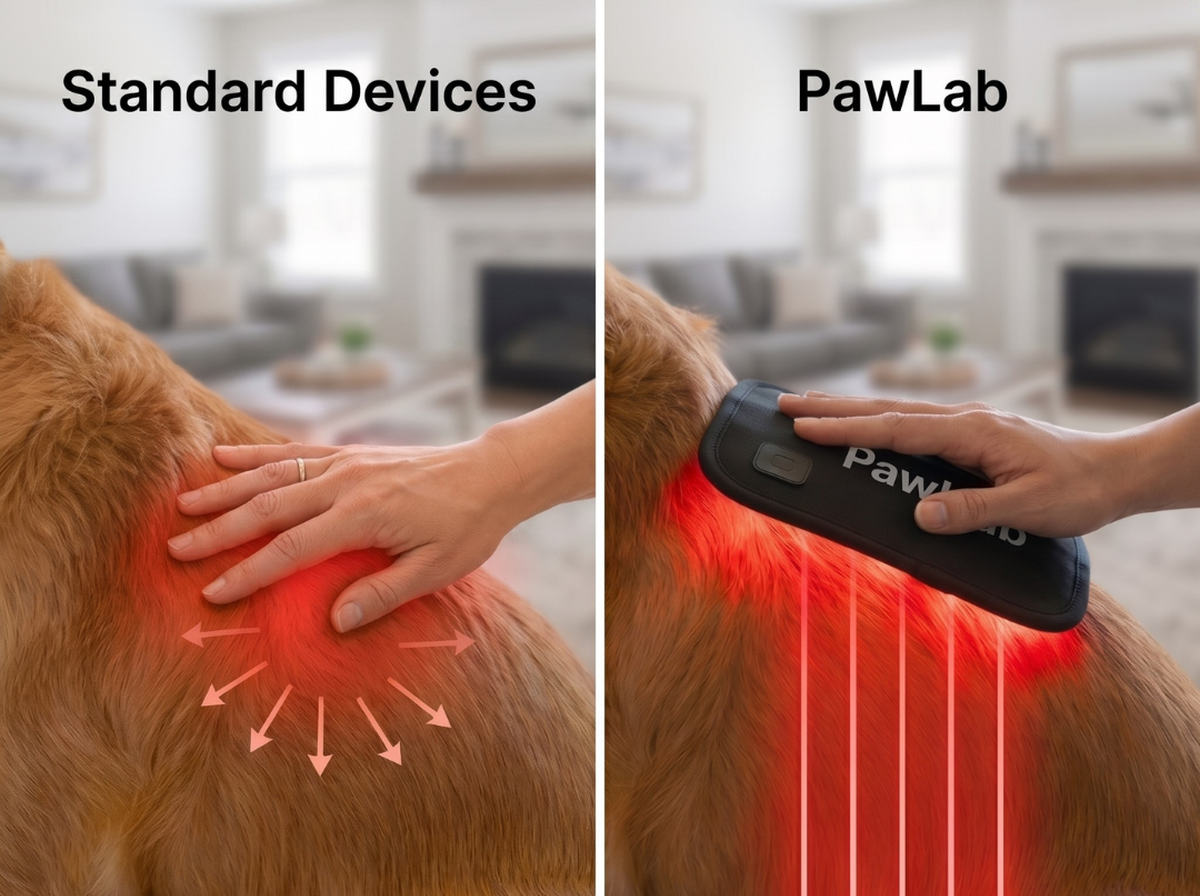
PawLab fires both wavelengths together at a 1:1 ratio: 660nm red for the tissue sitting near the surface, and 850nm near-infrared that carries deeper into joint and muscle. Same wavelengths vets use in-clinic. Cheaper pads tend to put far less of that light past the fur.
What owners report after a few weeks
Wrap the pad on for 10 to 15 minutes while your dog naps. That's the whole routine. Here is what comes back from owners who stuck with it, in their own words:
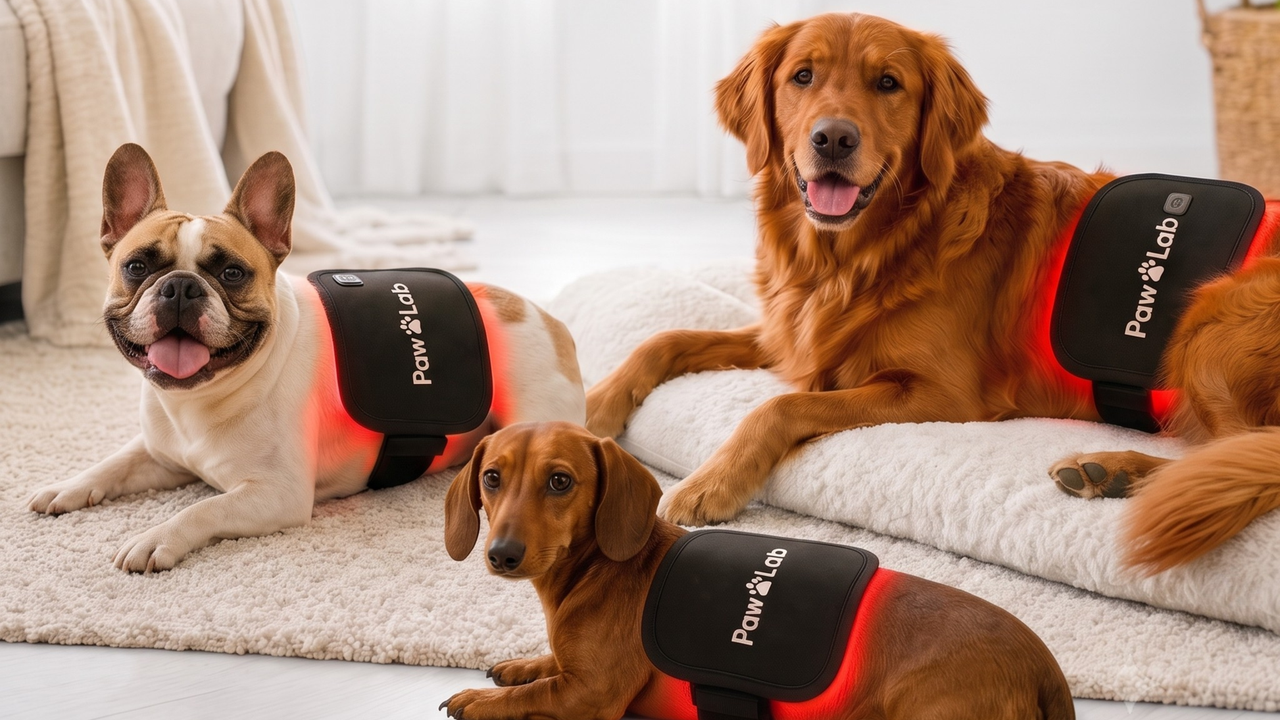
When he started hesitating before jumping onto the couch, I panicked a little, honestly. […] He's fully asleep within minutes, every single time. What really got me was noticing he stopped whimpering when he shifted positions at night.
The first time I tried this on her, I fully expected her to squirm away. Instead she just... melted. […] She's older and has been slowing down on walks, and after a couple weeks of using it a few times a week, she's keeping pace again on our morning routine.
I was skeptical something this size could actually do anything, but she curls right up around it in her bed every night now and doesn't move until it clicks off. […] Her limp after long walks has noticeably eased up over the past few weeks.
You are not the first owner reading this
People turn up here for one of two reasons, and both come up constantly:
That's what the 30-Day Money-Back Guarantee is for: give it a month, and if nothing about your dog changes, you get every penny back. Either your dog's back feels better or the money comes home.


Your dog's spine gets support. Or you pay nothing.
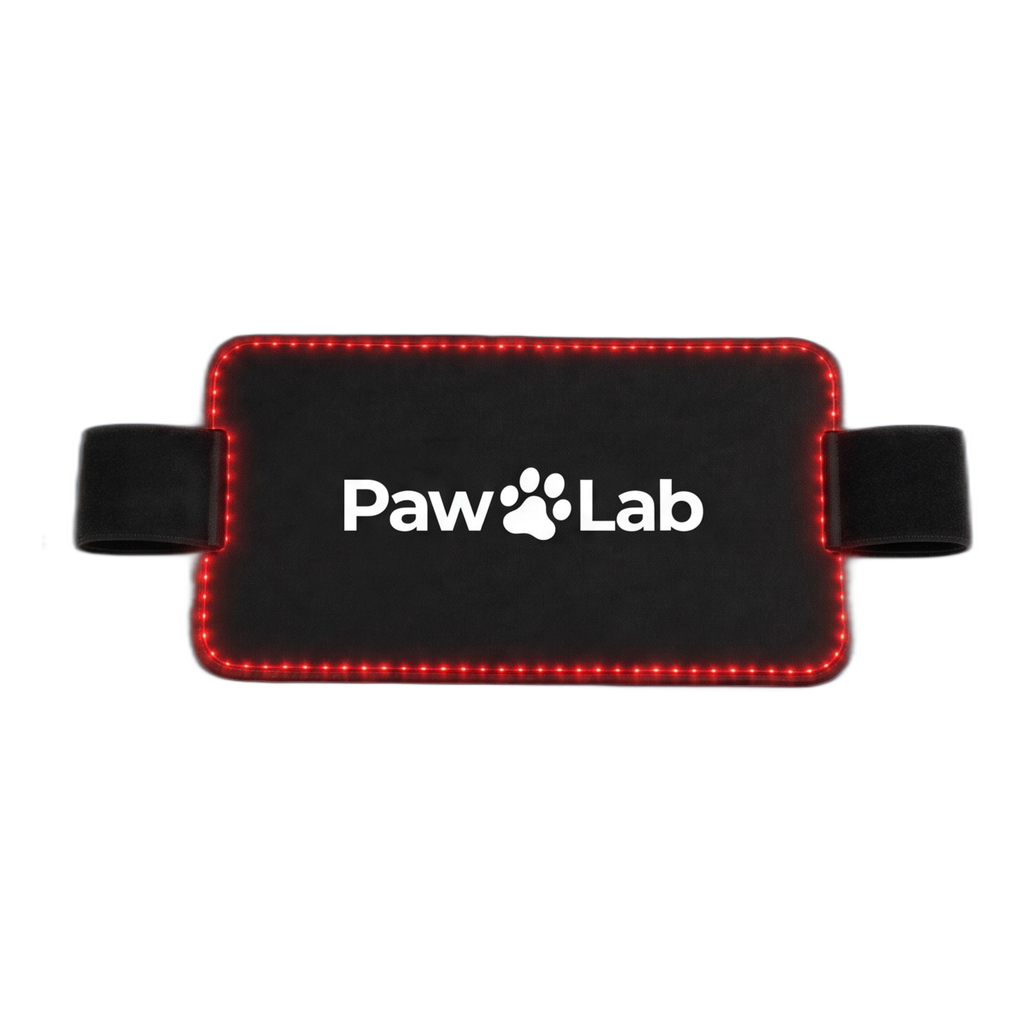
- 60 dual-chip LEDs at 660nm + 850nm
- Strap-on wrap sized for a mini Dachshund or a Labrador
- USB-C rechargeable, no cable during a 10 to 15 minute session
- No drugs, no needles, it runs alongside your vet's own plan
Start before the next flare-up
Ten quiet minutes of spine care at home, no pills involved. Thousands of owners run it alongside their vet's plan.